Building a Workplace Where People and AI Grow Together

At Merantix Momentum, we build AI systems that our clients trust to make meaningful decisions. But the technology is only ever as good as the people and the culture behind it. Great models don't come from great tools alone, they come from teams who feel supported enough to think clearly, diverse enough to challenge one another, and curious enough to keep learning as the ground shifts beneath them.
As the People Lead here, I spend a lot of my time thinking about the conditions that let people do their best work. Not the perks that look good in a job ad, but the quieter things: whether someone feels safe asking for help, whether a new joiner from a different country feels genuinely heard in a meeting, whether a team can adapt to a new way of working without burning out. This post is an honest look at how we approach those questions, where we're proud of what we've built, and where we see this as ongoing work rather than a finished project.
Learning and Development: Growing Together
At Merantix Momentum, we work to create an environment where people grow and learn together, rather than being left to figure things out alone.
That "together" is deliberate. We don't see development as a solo pursuit where each person is responsible for their own progress in isolation. We see it as something a team does collectively: sharing what they know, teaching one another, and treating everyone's growth as a shared investment. A workplace that learns together is more resilient, more generous, and frankly more enjoyable to be part of.
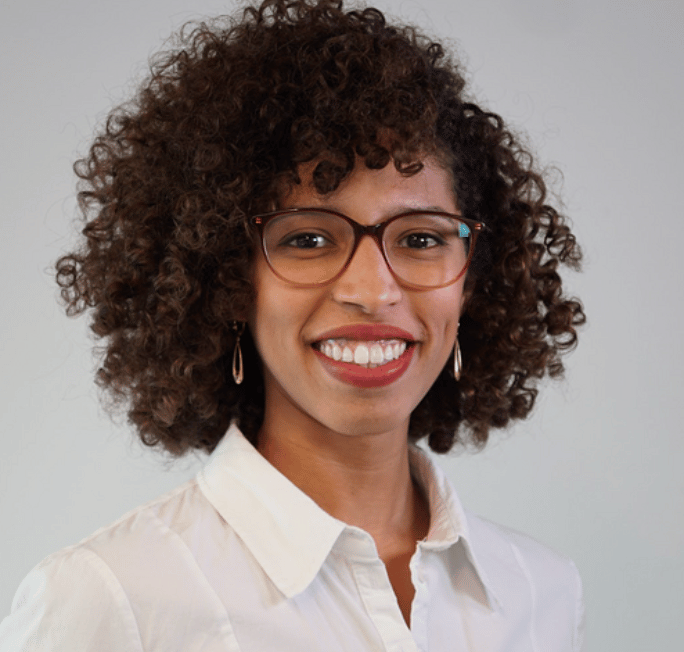
“I've used my development time to attend conferences and meetups like ECML, NeurIPS, and the World Economic Forum. It keeps me close to the frontier of AI and, just as importantly, to how our clients are thinking, and that dual exposure directly sharpens the work I bring back to my team.”
- Hasna, Solution Architect Lead
Mental health: support that shows up when it matters
It's easy for a company to say it cares about wellbeing. It's harder to make that care tangible in the moment someone actually needs it. That's the bar we hold ourselves to.
We work to create an environment where colleagues can be open about what they're carrying, and where asking for support is treated as a normal part of working life rather than a weakness. When someone is going through a difficult period, whether that's personal, health-related, or the ordinary weight of a demanding role, we want them to know that support is available, not as a vague promise but as something concrete. That can take the form of time, giving people the space and flexibility they need to look after themselves.
The principle underneath all of this is simple: people are not machines, and pretending otherwise doesn't produce better work it produces burnout and quiet suffering. A team that trusts it will be supported through hard times is a team that shows up more fully during good ones. Building that trust is slow, and it's built one honest conversation at a time. We don't claim to have it perfectly figured out, but it is something we take seriously and keep investing in.
AI is changing how we work, and we're changing with it
The pace of AI development is remarkable, and it's reshaping how work gets done across every industry, including our own. Tools that didn't exist a year ago are now part of daily practice. That's exciting, and it's also a real adjustment for the people living through it.
Rather than treating this as something that simply happens to our teams, we try to help people move with the change. We want our colleagues to be among the first to understand new tools and ways of working, not the last to catch up because that's how they continue to bring genuine value to our clients' work. When our own people are fluent in the latest approaches, that fluency flows directly into the quality, speed, and thoughtfulness of what we deliver.
I'll be honest that adapting continuously is demanding. Learning new tools while doing your existing job is not effortless, and we try not to pretend otherwise. What we can do is create the space, the encouragement, and the culture of experimentation that makes adaptation feel like an opportunity rather than a threat. The teams that thrive in this era won't be the ones who resist change, and they won't be the ones who chase every trend either. They'll be the ones who learn to evaluate what's genuinely useful and integrate it with judgment. That's the muscle we're trying to build.

"The tools change constantly, but I never feel like I'm keeping pace with it alone. There's real space here to experiment with new approaches, and that's exactly what lets me bring better solutions to our clients."
- David, AI Orchestrator Engineer
Diversity: different perspectives= better ideas
Our team is made up of people from different cultures, genders, and identities, and we're proud that many countries are represented among our colleagues. This isn't a statistic we keep for its own sake. It's woven into how we think and how we work.
When people who see the world differently sit at the same table, something useful happens: assumptions get questioned. Someone raises a perspective the rest of the room hadn't considered. A default that seemed obvious turns out to be a habit rather than a fact. That friction is where better ideas come from. It slows down the easy answer just enough to find the right one.
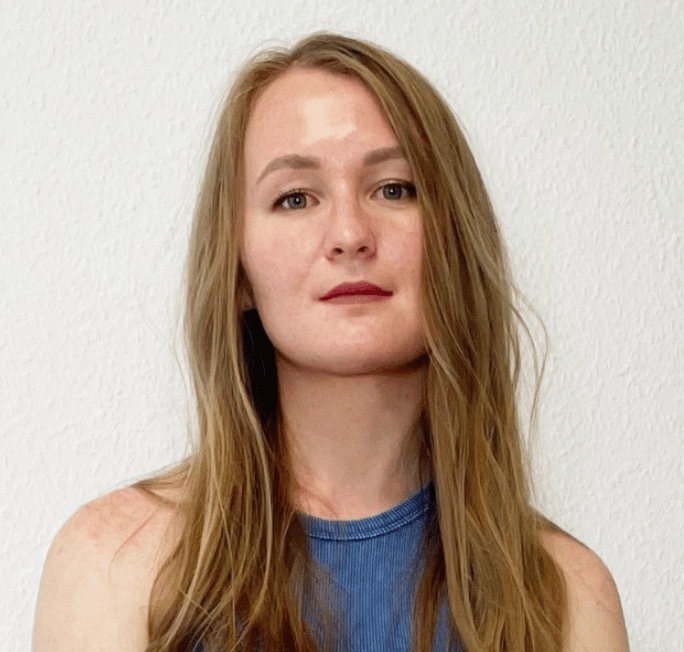
"What I love most that when people with different backgrounds discuss a problem, someone always raises a question nobody else thought to ask. Those questions shape how we approach user experience: what matters is not only what an app does, but how it feels to use."
- Iuliia, Full Stack Engineer
For a company building AI, this matters more than it might for others. AI systems learn patterns from the world, and the world is full of bias. A homogeneous team is far more likely to miss the blind spots that get baked into a model. A diverse team is better equipped to notice them, name them, and design around them. So for us, diversity is directly connected to building AI that is not only technically excellent but also lives up to a real sense of social responsibility.
Because we believe diversity is something you practise rather than something you declare, we've put concrete initiatives in place to keep the conversation alive. We are consciously creating spaces where people can ask uncomfortable questions, learn from one another, and build a shared understanding of why inclusion leads to better outcomes for our teams and for the systems we build. The goal isn't to arrive at a final answer, but to keep getting better at the question.
Community: an ecosystem, not an island
One of the things that makes working here distinctive is that we're not on our own. We're part of a wider ecosystem of AI companies on our campus, a network of people who are working on hard, related problems and who benefit from being close to one another.
That proximity turns into something real through the events, the network, and the community we build together. Ideas cross between teams and companies. A conversation over coffee can spark a collaboration or unstick a problem someone has been wrestling with for weeks. For our clients, this means we're not a single company working in isolation but a team plugged into a living network of AI expertise. For prospective colleagues, it means joining us is a way to become part of that broader community, not just one organisation.
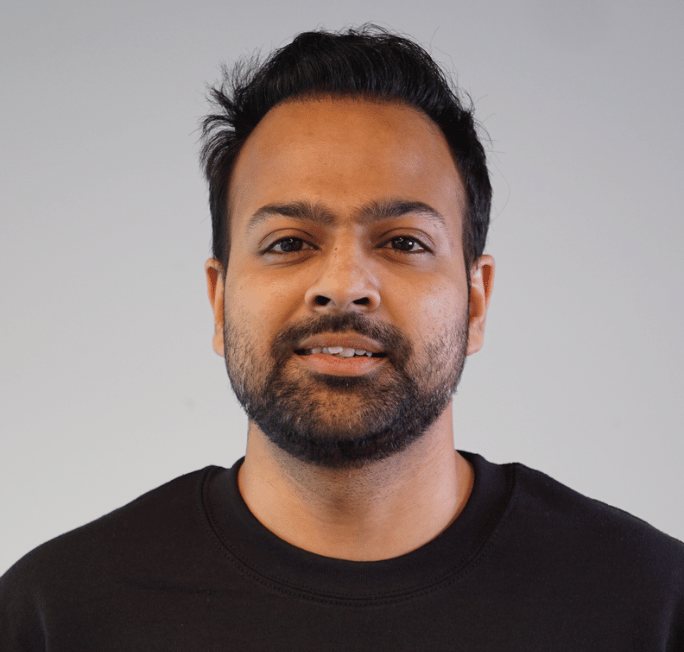
"Being part of this ecosystem means I'm always one conversation away from a useful connection. The events and network here have been invaluable for building relationships and a strong pipeline."
- Rohit, Growth Manager
Community, like the other things in this post, is something you tend rather than something you own. It grows when people show up for one another, share generously, and treat the ecosystem as something worth contributing to. We try to be good citizens of it.
Bringing it together
None of these five things stands alone. Mental health support gives people the security to take learning risks. Diversity makes our learning richer and our AI more responsible. Adapting to AI keeps our work valuable to clients. Community connects us to a wider world of ideas. And a culture of learning ties all of it together.
We don't think of this as a finished achievement to be admired. We think of it as ongoing, honest work the kind you get a little better at every day if you stay committed to it. If that's the kind of environment you want to build in, learn in, or partner with, we'd be glad to know you.
Subscribe to the Merantix Momentum Newsletter now.
More articles


Building a Workplace Where People and AI Grow Together
At Merantix Momentum, we build AI systems that our clients trust to make meaningful decisions. But the technology is only ever as good as the people and the culture behind it. Great models don't come from great tools alone, they come from teams who feel supported enough to think clearly, diverse enough to challenge one another, and curious enough to keep learning as the ground shifts beneath them.
As the People Lead here, I spend a lot of my time thinking about the conditions that let people do their best work. Not the perks that look good in a job ad, but the quieter things: whether someone feels safe asking for help, whether a new joiner from a different country feels genuinely heard in a meeting, whether a team can adapt to a new way of working without burning out. This post is an honest look at how we approach those questions, where we're proud of what we've built, and where we see this as ongoing work rather than a finished project.
Learning and Development: Growing Together
At Merantix Momentum, we work to create an environment where people grow and learn together, rather than being left to figure things out alone.
That "together" is deliberate. We don't see development as a solo pursuit where each person is responsible for their own progress in isolation. We see it as something a team does collectively: sharing what they know, teaching one another, and treating everyone's growth as a shared investment. A workplace that learns together is more resilient, more generous, and frankly more enjoyable to be part of.
“I've used my development time to attend conferences and meetups like ECML, NeurIPS, and the World Economic Forum. It keeps me close to the frontier of AI and, just as importantly, to how our clients are thinking, and that dual exposure directly sharpens the work I bring back to my team.”
- Hasna, Solution Architect Lead
Mental health: support that shows up when it matters
It's easy for a company to say it cares about wellbeing. It's harder to make that care tangible in the moment someone actually needs it. That's the bar we hold ourselves to.
We work to create an environment where colleagues can be open about what they're carrying, and where asking for support is treated as a normal part of working life rather than a weakness. When someone is going through a difficult period, whether that's personal, health-related, or the ordinary weight of a demanding role, we want them to know that support is available, not as a vague promise but as something concrete. That can take the form of time, giving people the space and flexibility they need to look after themselves.
The principle underneath all of this is simple: people are not machines, and pretending otherwise doesn't produce better work it produces burnout and quiet suffering. A team that trusts it will be supported through hard times is a team that shows up more fully during good ones. Building that trust is slow, and it's built one honest conversation at a time. We don't claim to have it perfectly figured out, but it is something we take seriously and keep investing in.
AI is changing how we work, and we're changing with it
The pace of AI development is remarkable, and it's reshaping how work gets done across every industry, including our own. Tools that didn't exist a year ago are now part of daily practice. That's exciting, and it's also a real adjustment for the people living through it.
Rather than treating this as something that simply happens to our teams, we try to help people move with the change. We want our colleagues to be among the first to understand new tools and ways of working, not the last to catch up because that's how they continue to bring genuine value to our clients' work. When our own people are fluent in the latest approaches, that fluency flows directly into the quality, speed, and thoughtfulness of what we deliver.
I'll be honest that adapting continuously is demanding. Learning new tools while doing your existing job is not effortless, and we try not to pretend otherwise. What we can do is create the space, the encouragement, and the culture of experimentation that makes adaptation feel like an opportunity rather than a threat. The teams that thrive in this era won't be the ones who resist change, and they won't be the ones who chase every trend either. They'll be the ones who learn to evaluate what's genuinely useful and integrate it with judgment. That's the muscle we're trying to build.
"The tools change constantly, but I never feel like I'm keeping pace with it alone. There's real space here to experiment with new approaches, and that's exactly what lets me bring better solutions to our clients."
- David, AI Orchestrator Engineer
Diversity: different perspectives= better ideas
Our team is made up of people from different cultures, genders, and identities, and we're proud that many countries are represented among our colleagues. This isn't a statistic we keep for its own sake. It's woven into how we think and how we work.
When people who see the world differently sit at the same table, something useful happens: assumptions get questioned. Someone raises a perspective the rest of the room hadn't considered. A default that seemed obvious turns out to be a habit rather than a fact. That friction is where better ideas come from. It slows down the easy answer just enough to find the right one.
"What I love most that when people with different backgrounds discuss a problem, someone always raises a question nobody else thought to ask. Those questions shape how we approach user experience: what matters is not only what an app does, but how it feels to use."
- Iuliia, Full Stack Engineer
For a company building AI, this matters more than it might for others. AI systems learn patterns from the world, and the world is full of bias. A homogeneous team is far more likely to miss the blind spots that get baked into a model. A diverse team is better equipped to notice them, name them, and design around them. So for us, diversity is directly connected to building AI that is not only technically excellent but also lives up to a real sense of social responsibility.
Because we believe diversity is something you practise rather than something you declare, we've put concrete initiatives in place to keep the conversation alive. We are consciously creating spaces where people can ask uncomfortable questions, learn from one another, and build a shared understanding of why inclusion leads to better outcomes for our teams and for the systems we build. The goal isn't to arrive at a final answer, but to keep getting better at the question.
Community: an ecosystem, not an island
One of the things that makes working here distinctive is that we're not on our own. We're part of a wider ecosystem of AI companies on our campus, a network of people who are working on hard, related problems and who benefit from being close to one another.
That proximity turns into something real through the events, the network, and the community we build together. Ideas cross between teams and companies. A conversation over coffee can spark a collaboration or unstick a problem someone has been wrestling with for weeks. For our clients, this means we're not a single company working in isolation but a team plugged into a living network of AI expertise. For prospective colleagues, it means joining us is a way to become part of that broader community, not just one organisation.
"Being part of this ecosystem means I'm always one conversation away from a useful connection. The events and network here have been invaluable for building relationships and a strong pipeline."
- Rohit, Growth Manager
Community, like the other things in this post, is something you tend rather than something you own. It grows when people show up for one another, share generously, and treat the ecosystem as something worth contributing to. We try to be good citizens of it.
Bringing it together
None of these five things stands alone. Mental health support gives people the security to take learning risks. Diversity makes our learning richer and our AI more responsible. Adapting to AI keeps our work valuable to clients. Community connects us to a wider world of ideas. And a culture of learning ties all of it together.
We don't think of this as a finished achievement to be admired. We think of it as ongoing, honest work the kind you get a little better at every day if you stay committed to it. If that's the kind of environment you want to build in, learn in, or partner with, we'd be glad to know you.


